
Engineering Safety: The Evolution of Halogen-Free Plastics
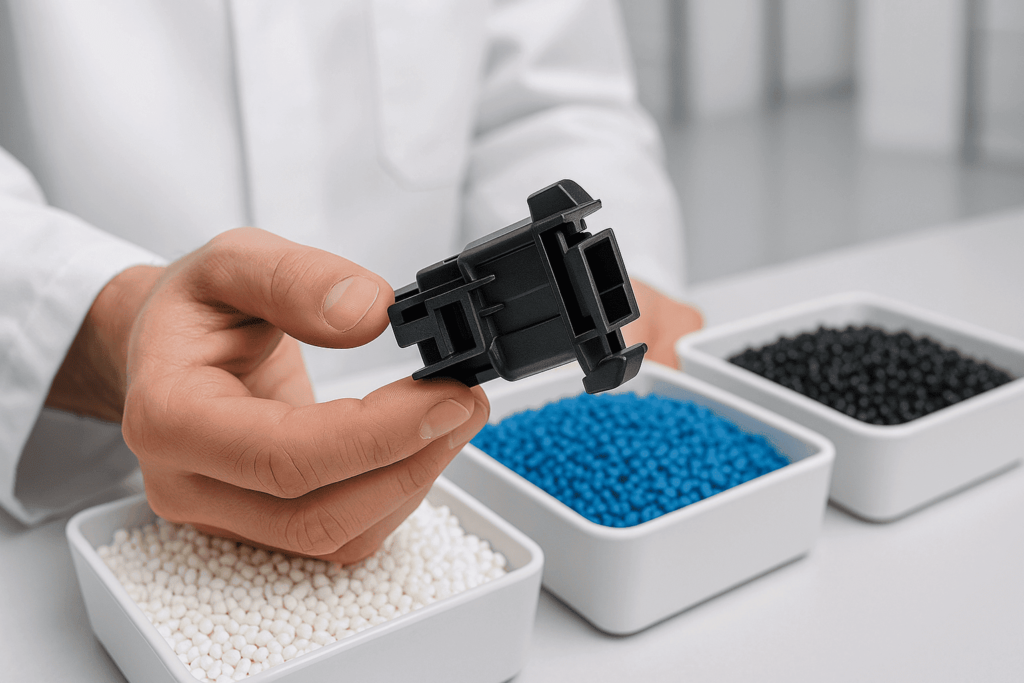
Engineering plastics are everywhere – under the dashboard of your car, inside appliances, in electrical connectors, telecommunication devices, power tools, chargers and even household gadgets. These materials were designed to withstand mechanical stress, temperature fluctuations and long-term durability.
But as polymer systems become more sophisticated, so do safety expectations. One standard has moved from “recommended” to “non-negotiable”: halogen-free flame retardancy.
Across the world, manufacturers are rapidly shifting toward halogen free FR for engineering plastics to meet global regulations, reduce toxicity and improve environmental performance. This shift is shaping the next generation of polymer technology.
Why the World Is Saying Goodbye to Halogens
Halogenated flame retardants (based on bromine and chlorine) were once widely used for their efficiency and low cost. But years of data and field research revealed serious drawbacks:
- Toxic gases released during fire
- Higher smoke density
- Acidic corrosive fumes damaging equipment
- Growing restrictions under RoHS, REACH and WEEE
- International push for eco-friendly materials
A study in the Journal of Fire Sciences (2022) confirmed that halogenated plastics generate up to 5–10 times higher toxicity during combustion compared to non-halogenated systems.
This has led automakers, electronics brands and cable manufacturers to adopt safer materials that protect both people and the environment.
The Rise of Halogen-Free Flame Retardants
Halogen-free systems use combinations of phosphorus, nitrogen, inorganic minerals and intumescent chemistry. These systems work differently from halogenated ones:
- They form a protective char layerinstead of releasing radicals
- They reduce heat release rates
- They significantly cut down on smoke and toxic gases
- They maintain better stability during processing
One IEC study found that halogen-free materials reduce smoke emissions by 30–60%, a major factor in life-safety engineering.
Where Halogen-Free Solutions Excel in Engineering Plastics
These systems are now widely used in:
- Automotive Components
Air ducts, dashboard modules, connectors, trims, under-hood parts.
Halogen-free compounds support both fire safety and long-term heat resistance.
- Electrical & Electronics (E&E)
Switchgear housings, plugs, sockets, circuit parts, chargers, adapters.
Halogen-free plastics help meet UL94, UL746 and IEC insulation standards.
- Household Appliances
Mixers, hair dryers, ovens, AC units, refrigerators.
Manufacturers rely on them for low smoke generation and better consumer safety.
- Lighting & Power Distribution
LED housings, sockets, enclosures, terminal blocks.
High CTI and low tracking make halogen-free FRs ideal for electrical loads.
How SKMA Enables the Transition
At SK Minerals & Additives Limited, we engineer halogen free FR for engineering plastics through the HOFNIL® portfolio – designed for PP, PE, PA6, PA66, PBT, PC blends, HIPS, ABS and TPE systems.
Key advantages of HOFNIL® formulations include:
- Strong intumescent char formation
- High thermal stability
- Low smoke & low toxicity
- Excellent electrical insulation (high CTI)
- RoHS & REACH compliance
- Smooth dispersion and stable processing
- Reliable UL94 V-0 performance in suitable systems
These solutions support manufacturers who want to meet global standards without sacrificing mechanical properties or aesthetics.
Safety Isn’t a Feature – It’s Engineering
The shift to halogen-free plastics marks a fundamental change in how industries think about materials. It’s no longer enough for polymers to be strong and durable – they must also be responsible, sustainable and globally compliant.
With advanced halogen free FR for engineering plastics, the industry is moving toward cleaner chemistry, safer environments and better long-term performance.
SK Minerals & Additives Limited is proud to support this transition – engineering polymers that protect both innovation and the world around us.