
The Science of Safety: Inside the World of LSZH Cables
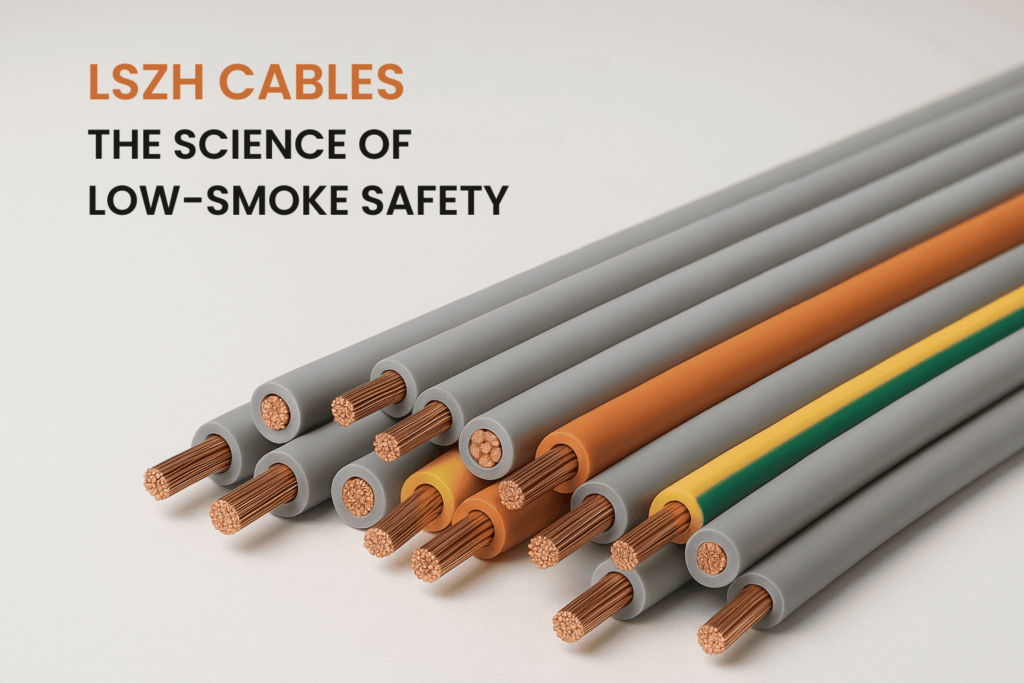
The demand for safer, cleaner and more reliable infrastructure has pushed the world toward a new standard in cable technology – the Low Smoke Zero Halogen (LSZH) system. It could be transportation, power distribution, telecom networks, or commercial buildings; LSZH cables are no longer a premium option; they are becoming a necessity. Why? Because in real fire situations, cables often become the first source of toxic smoke. Studies show that up to 85% of fire-related fatalities are caused by smoke inhalation, not flames, that’s why LSZH solutions are a crucial part of modern safety engineering.
At the centre of this movement is a new class of Low Smoke Zero Halogen flame retardants for cables, engineered to reduce toxic emissions, minimize corrosion and improve survivability during fire events.
Why LSZH Cables Matter More Than Ever
A detailed report by the National Fire Protection Association (NFPA) highlights that enclosed spaces – tunnels, offices, homes and data centers – present the highest smoke hazard during fires. Traditional PVC cables release chlorine-based gases, and form hydrochloric acid when exposed to moisture, which can corrode electronics and harm respiratory systems.
LSZH cables, on the other hand:
- Produce almost zero toxic halogen gases
- Generate significantly lower smoke density
- Maintain critical electrical insulation propertiesduring heat exposure
- Prevent severe corrosion of nearby equipment
- Meet stricter global standards like IEC 60754, IEC 61034and UL 94
This shift is especially important in public and enclosed areas such as airports, metro stations, hospitals and server rooms.
The Chemistry Behind LSZH Performance
Unlike PVC systems, LSZH cables use non-halogenated, phosphorus–nitrogen flame-retardant technology. When exposed to heat, these systems create a stable protective char layer, preventing flame spread and reducing heat release rates.
A 2023 study on halogen-free cable compounds found:
- 38–45% lower smoke releasecompared to traditional cable formulations
- Improved oxygen index (LOI)values, making ignition harder
- Higher CTI (Comparative Tracking Index)means safer electrical performance
These scientific advantages make LSZH materials a preferred choice for both safety and sustainability.
How SKMA’s Additives Support LSZH Cable Systems
SK Minerals & Additives Limited provides advanced Low Smoke Zero Halogen flame retardants for cables through its HOFNIL® portfolio. These formulations are engineered for PP, PE, TPE and EVA cable compounds used in:
- Power Cables
- Communication Cables
- Data Center Wiring
- Automotive Wiring Harnesses
- Railway, Aerospace and Metro Cables
Key benefits of SKMA LSZH additives:
- Strong char formation
- Very low smoke generation
- Excellent insulation and mechanical properties
- Halogen-free, ATO-free and RoHS/REACH compliant
- Improved stability during extrusion and compounding
- Consistent UL94 V-0 performance
- High CTI for electrical safety
In particular, HOFNIL-37A and 38C are widely used in LSZH compounds where both fire resistance and long-term flexibility are required.
Where LSZH Cables Are Becoming Mandatory
Global infrastructure is shifting fast. Regulatory policies in Europe, the Middle East and many Asian countries now require LSZH cables in sensitive environments. Sectors where LSZH adoption is rising include:
- Data centres and IT parks
- Airports and railway networks
- Hospitals and healthcare campuses
- High-rise commercial structures
- Electric vehicles and charging stations
With the rise of smart cities and electrification, LSZH is becoming the new global norm.
A Safer Future Runs on Cleaner Cables
The transition to halogen-free systems reflects a broader shift toward sustainability, human safety and environmental responsibility. With advanced Low Smoke Zero Halogen flame retardants for cables, SK Minerals & Additives Limited is helping manufacturers create wiring systems that protect not just infrastructure, but people.