
Responsibility beyond business:
Building a sustainable future
Sustainability & Responsibility
Sustainability in Flame Retardants, Food & Feed Additives, and Specialty Chemicals
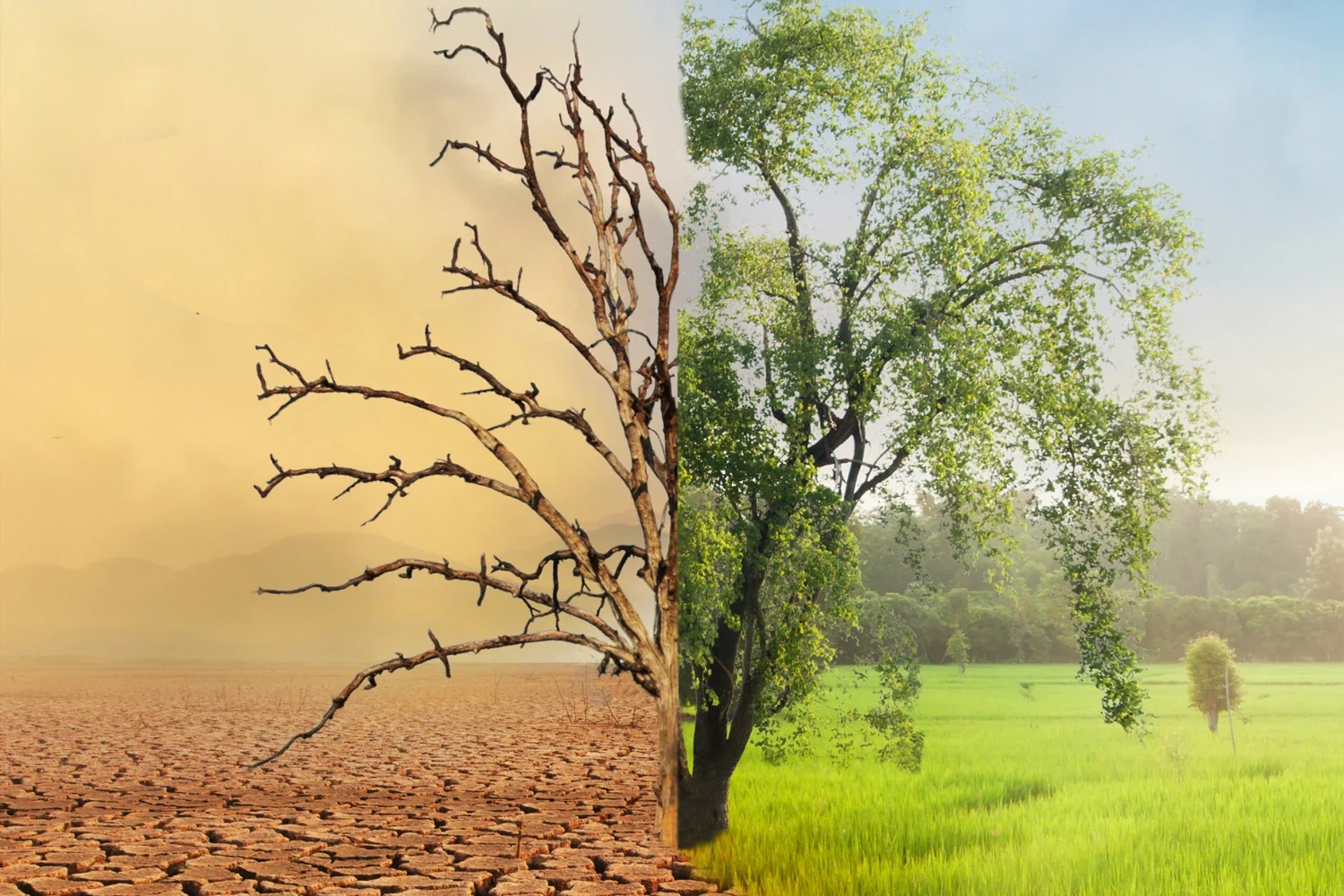
SK Minerals & Additives Limited believes progress must never come at the cost of people or the planet. From halogen-free flame retardants to eco-conscious food additives, sustainability is built into our products, our processes, and our purpose.

Our Environmental Commitment
- Green Chemistry First
Our flagship product HOFNIL is a halogen-free flame retardant, designed as a safer alternative to toxic halogenated additives. - Eco-Efficient Manufacturing
Continuous investments in energy-efficient processes and waste reduction. - Compliance Beyond Borders
Engineered to meet RoHS, REACH, and EU environmental directives, ensuring compatibility with global standards. - Future-Ready Goals
Roadmap to reduce carbon and water footprint.
Corporate Social Responsibility
- Community Engagement
Supporting local farmers, education initiatives, and skill development in Punjab. - Employee Well-Being
Promoting safe working environments, training, and health programs. - Shared Growth
Building partnerships that empower suppliers, distributors, and local communities.

Governance & Integrity
- Certifications & Audits
Certified under ISO 9001:2015, ISO 22000:2018, FSSAI. - Ethical Operations
Transparent and compliant with Indian and international governance practices. - Stakeholder Trust
Preparing for IPO readiness with robust corporate governance structures.
Looking Forward
At SK Minerals & Additives Limited, sustainability is not an initiative — it is our identity.
Every innovation, every partnership, and every product is designed to build industries that are safer, greener, and more responsible.
Energy Conservation
Our energy requirements have the most direct influence on greenhouse gas emissions. Manufacturing consumes the majority of our energy, which is determined by the production processes at the sites and the depth of our value chain.
This figure covers both primary and secondary energy use.

Water And Waste Disposal
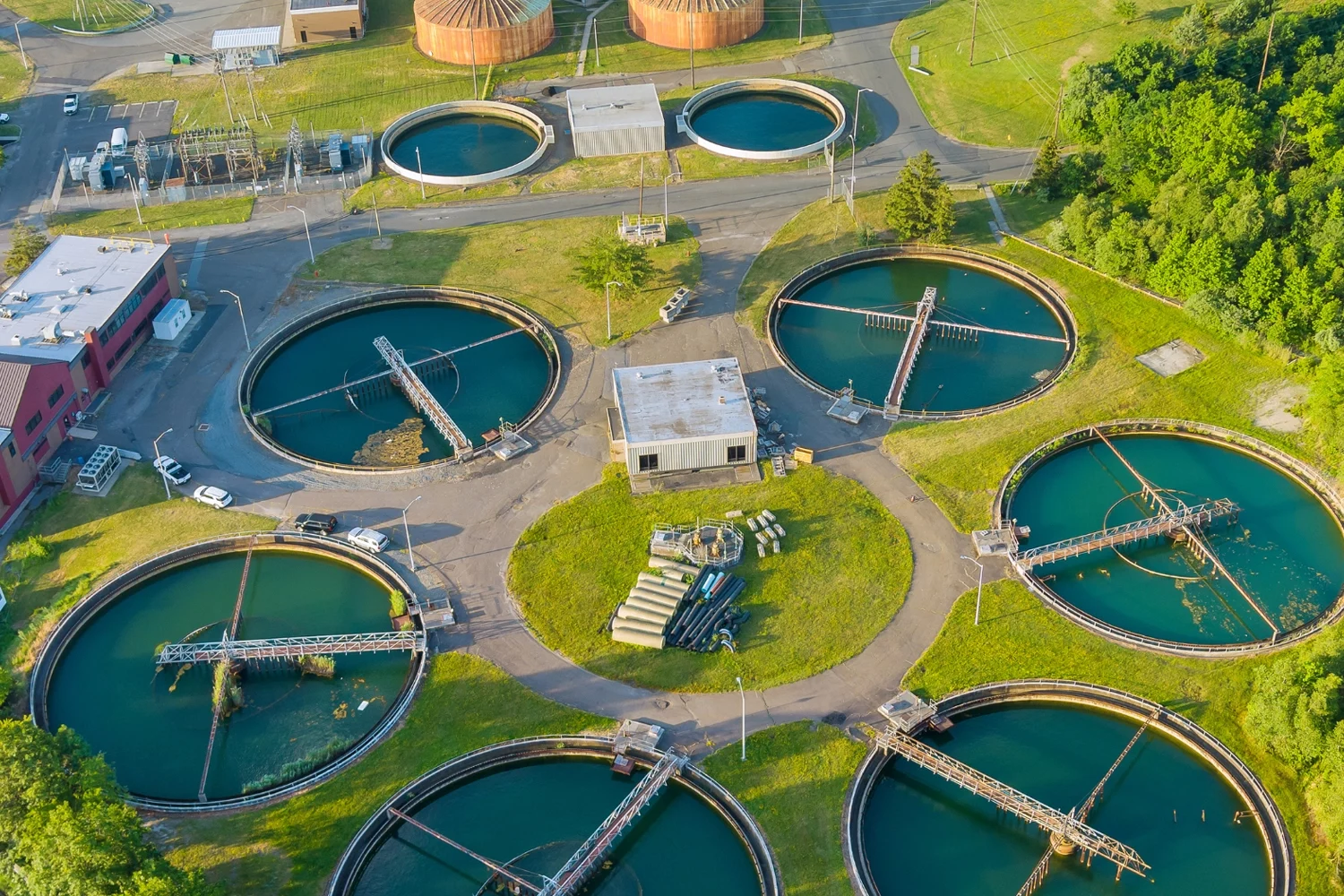
Our commitment to sustainable growth is based on responsible water consumption. A sufficient supply of clean water is critical for the health of people, animals, and plants. That is why it is critical that industrial water consumption does not continue to cause local issues such as water shortages for those living in the catchment regions of our manufacturing locations. In our Water Position, we commit to following international, national, and local regulations in order to safeguard water resources, utilize them as sparingly as possible and decrease emissions into water.
Sustainability
We aim to do our part to reduce the environmental impact of our operations and value chain. To achieve this goal, we are expanding our sustainable operations.
We adhere to the circular economy concepts of minimizing (reducing waste and pollution), Recirculate (recirculating goods and materials at their best value), Regenerate (reduce emissions and regenerate natural systems), and Partnerships (collaboration across the value chain).
We perform sustainable activities that prevent health and safety hazards, have a low environmental effect, and are as circular as feasible. We support regulatory frameworks and policy efforts that encourage and incentivize new sustainable technologies, processes, and business models, as well as digitalization, which improves industrial competitiveness and reflects changing market realities.
More openness, we think, will promote a better, more sustainable, long-term collaboration with our stakeholders, eventually increasing trust in us and our ideas. As a result, we will continue to engage with stakeholders who want more openness and work to advance our efforts whenever practicable in the future. This is limited by the need to preserve company and trade secrets, as well as comply with current laws and regulations.
Our commitment to openness extends beyond our organisation; we aim to carry it forward in collaboration with our corporate, academic, and civil society partners. We encourage any open communication with interested stakeholders as we begin on this path.
