The Chemistry Duo That Changed Flame Retardancy Forever

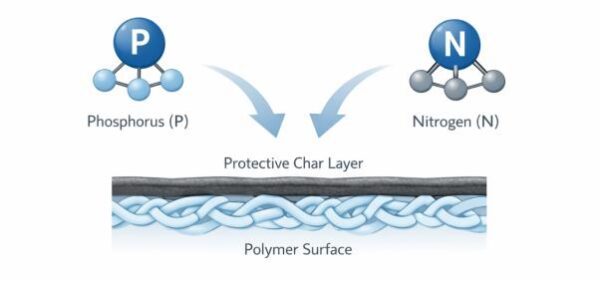
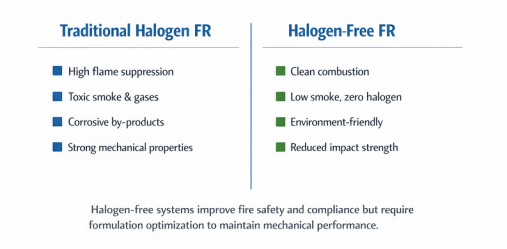
For much of the twentieth century, flame retardancy relied on a single dominant approach: halogens. Chlorine- and bromine-based systems delivered effective fire suppression and helped plastics meet safety standards quickly. But as material science evolved and as the environmental and health impacts of halogenated systems became clearer, the industry began searching for a smarter solution.…

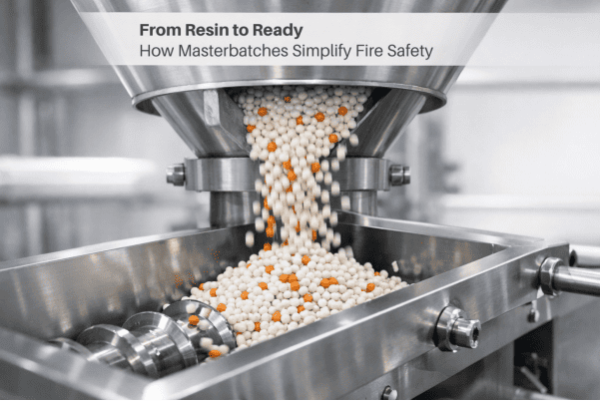
From Resin to Ready: How Masterbatches Simplify Fire Safety

n polymer compounding, fire safety is rarely about a single ingredient. It’s about balance – between performance, compliance, processability, and consistency. As flame-retardant requirements become more complex and global regulations stricter, manufacturers are increasingly looking for ways to simplify formulations without compromising safety. This is where flame retardant masterbatches have emerged as a practical and reliable…

Engineering Safety: The Evolution of Halogen-Free Plastics

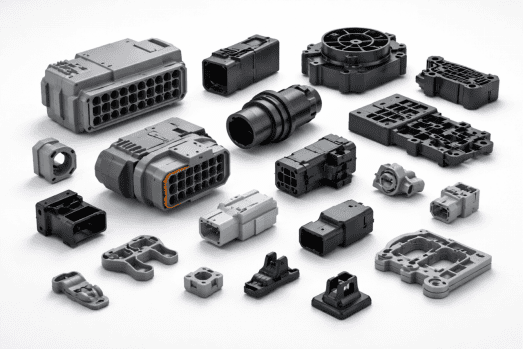
Engineering plastics are everywhere – under the dashboard of your car, inside appliances, in electrical connectors, telecommunication devices, power tools, chargers and even household gadgets. These materials were designed to withstand mechanical stress, temperature fluctuations and long-term durability. But as polymer systems become more sophisticated, so do safety expectations. One standard has moved from “recommended”…