
From Safety to Sustainability: How Additives Are Reinventing Polypropylene
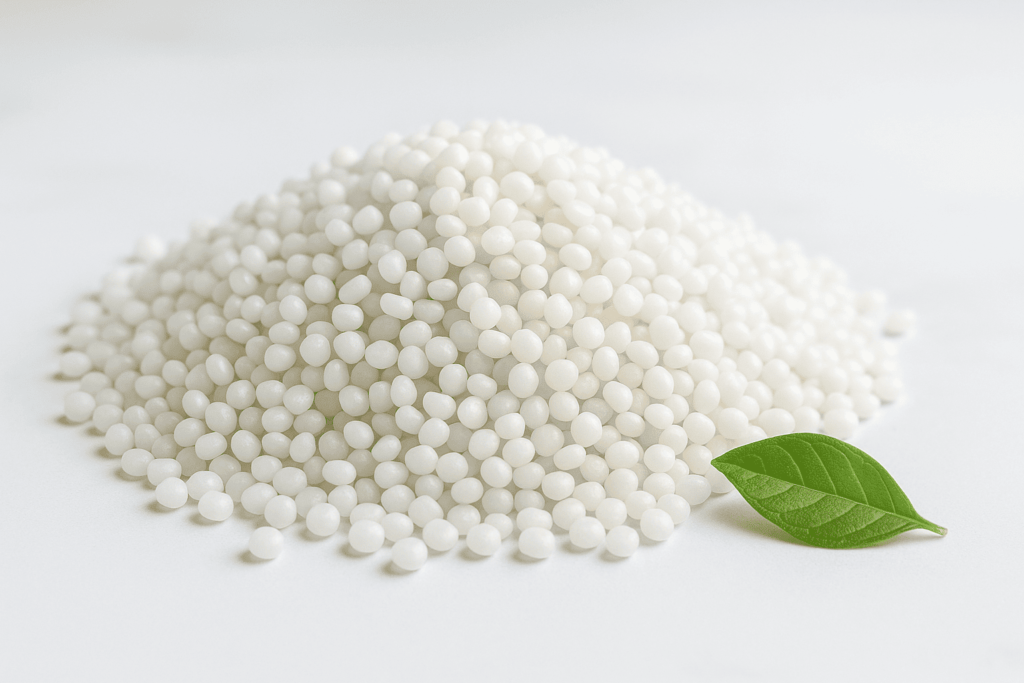
Polypropylene (PP) is one of the behind-the-scenes stars of modern manufacturing. From automotive interiors and appliance housings to packaging and consumer products, PP sits at the centre of industries that define our everyday lives. It’s lightweight, cost-effective, and incredibly versatile – but it also comes with a major challenge: its tendency to burn easily. This single limitation has pushed scientists, engineers, and compounders to rethink how PP can be made safer without compromising performance or sustainability. And that’s where modern polypropylene flame-retardant additives step in.
A Material Built for Industry – with One Weak Link
PP has a naturally low limiting oxygen index, meaning it can ignite quickly and generate dripping and smoke during burning. For years, halogenated flame retardants were the go-to solution. They worked, but at a cost: toxic fumes, environmental risks, and restrictions under global standards like RoHS and REACH.
As industries move toward safer, greener materials, the demand for halogen-free and low-smoke flame retardant solutions has reached a new high – driving a complete reinvention of how PP is formulated for fire-critical applications.
The Evolution of Flame Retardants: From Halogens to Clean Chemistry
The industry shift didn’t happen overnight. Early FR systems for PP focused on brominated and chlorinated compounds, but over time, the drawbacks became too large to ignore. Manufacturers wanted:
- Lower smoke emission
- Safer processing
- Better compliance
- Improved sustainability
This led to the rise of intumescent flame-retardant technology – a phosphorus–nitrogen-based system that expands into a protective char when exposed to heat.
Today’s polypropylene flame-retardant additives don’t just reduce flammability; they fundamentally change the way the material behaves in fire conditions. Instead of burning and dripping, the polymer forms a foamed, insulating layer that blocks heat and oxygen – stopping the fire before it starts.
HOFNIL® and the New Era of Fire-Safe Plastics/ Polymer
At SK Minerals & Additives Limited, this evolution is embodied in the HOFNIL® portfolio, designed specifically for PP and PE systems. Products like HOFNIL-37A and HOFNIL-38C use advanced phosphorus–nitrogen chemistry to achieve:
- UL94 V-0 ratings
- Low smoke and low toxicity
- Halogen-free, eco-safe performance
- Stable processing during extrusion and injection moulding
Because these additives are non-halogenated and non-corrosive, they integrate seamlessly into existing production lines while meeting global environmental standards.
Real-World Applications: Where Safety Meets Performance
Flame-retarded plastic/polymer is now essential in sectors where safety cannot be optional:
Automotive
Dashboard components, trims, air ducts, and under-the-hood parts rely on PP modified with high-performance FR systems to meet international safety regulations.
Electrical & Electronics
Switch housings, connectors, appliance bodies, and cable accessories need materials that balance insulation performance with fire safety. FR-enhanced PP offers an ideal combination of mechanical strength and regulatory compliance.
Consumer Goods
Products like household appliances, decorative items, and packaging require materials that look good, perform well, and adhere to stricter safety norms.
The Future of Polymer/Plastic is Halogen-Free
As industries commit to greener materials and stricter compliance, flame retardancy is becoming a design parameter, not a retrofit requirement. Halogen-free polypropylene solutions are now leading this transformation – combining safety, sustainability, and engineering precision.
With advanced polypropylene flame retardant additives, SK Minerals & Additives Limited is helping manufacturers build a safer, smarter, and more compliant future – one polymer at a time.