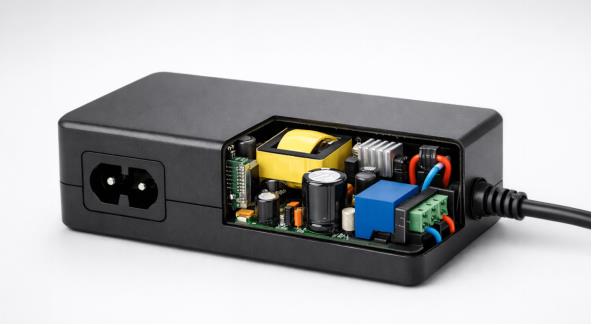
Inside the Box: Making Electronics Safer from the Inside Out
Every electronic device has a secret life.
Behind the sleek screens, minimalist casings and reassuring clicks of buttons lies a tightly packed world of heat, current and materials working relentlessly together. We rarely think about it until something goes wrong.
The Hidden Fire Risk We Don’t See
Modern electronics are marvels of compact design. More power. More speed. More functionality – all crammed into ever-smaller enclosures. Smartphones, chargers, routers, control panels, appliances, automotive electronics – now run hotter and harder than their predecessors.
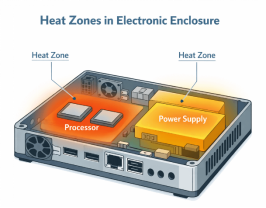
Heat is inevitable. Sparks are rare, but not impossible. And when things escalate, the first line of defence isn’t software or circuitry.
It’s the plastic box holding everything together.
That housing – the one nobody notices – often decides whether an incident stays contained or becomes a hazard.
Why Electronics Housings Are Under Pressure
Electronic and electrical housings sit at an uncomfortable intersection:
- Close to heat-generating components
- Surrounded by live electrical pathways
- Expected to last for years without degradation
- Designed to meet strict global safety standards
And yet, they must also be:
- Lightweight
- Cost-effective
- Mechanically strong
- Aesthetically consistent
Fire safety in electronics is no longer about if a flame appears – it’s about how materials behave when stress, heat or failure occurs.
This shift mirrors the broader adoption of halogen-free flame retardants in engineering plastics, where fire safety is now a core design requirement rather than an afterthought.
Fire Performance is Now a Design Requirement
In the past, flame retardancy in electronics housings was often treated as a compliance exercise – pass UL94, move on.
Today, regulators, OEMs and consumers expect far more.
Fire performance requirements now focus on:
- Flame self-extinguishing behaviour
- Smoke density and toxicity
- Electrical insulation integrity
- Resistance to tracking and arcing
- Long-term stability under heat
This is where flame retardants for electronics and electrical housings become not just additives, but enablers of safe design.
What Modern Flame Retardants Actually Do

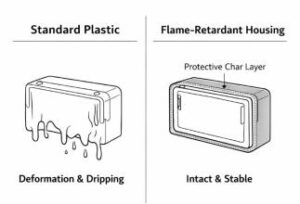
Contrary to popular belief, effective flame retardants don’t “stop fires.” They control fire behaviour.
In electronics housings, advanced halogen-free flame retardants are engineered to:
- Promote char formation instead of dripping melt
- Limit oxygen access to heated polymer surfaces
- Suppress smoke formation
- Prevent flame propagation across the housing
The goal is simple: contain the event, protect nearby components and buy time.
Time for the system to shut down.
Time for intervention.
Time for safety.
Many of these systems rely on phosphorus nitrogen based flame retardants, which promote char formation while limiting smoke and toxic gas release.
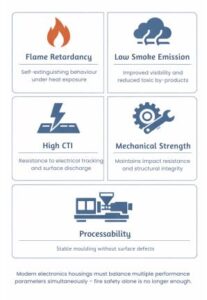
Why Low Smoke and High CTI Matter

Two performance parameters are increasingly non-negotiable in electronics applications:
Low Smoke
In enclosed environments such as homes, offices and vehicles, smoke causes more damage than flames. Low-smoke materials improve visibility, reduce inhalation risks and minimise secondary damage to sensitive electronics.
High CTI (Comparative Tracking Index)
High CTI materials resist electrical tracking across surfaces. This is critical in housings exposed to moisture, dust or fluctuating voltages, where surface discharges can trigger failure.
Combined with UL94 V-0 ratings, these properties define the baseline for modern electronic safety.
Inside the Housing: A Quiet Balancing Act
Designing flame-retardant electronics housings is a careful balancing act.
Requirement | Why It Matters |
Flame retardancy | Prevents fire spread |
Low smoke | Protects users & electronics |
High CTI | Prevents electrical tracking |
Mechanical strength | Resists cracking & impact |
Processability | Ensures smooth moulding |
Aesthetics | Maintains surface finish |
Overloading flame retardants can weaken the material. Underloading risks failure. The solution lies in well-engineered additive systems, not brute-force chemistry.
Where Fire-Safe Electronics Housings Are Critical
The demand for advanced flame-retardant systems is strongest where electronics are everywhere – and failure is unacceptable:
- Consumer appliances
- Power supplies and adapters
- Switchgear and control panels
- Automotive electronic modules
- Smart home devices
- Industrial automation systems
In these applications, flame retardants are not about visible safety. They’re about silent reliability.
Fire Safety Begins Before the First Power-On
The most effective fire safety measures in electronics never announce themselves. They don’t beep. They don’t flash warnings.
They sit quietly inside the box – working only when needed.
By integrating the right flame retardants for electronics and electrical housings, manufacturers design safety into the product from the very beginning, rather than reacting to failure after the fact.
Designing for the Moment Nobody Wants
No one buys an electronic device expecting it to overheat or fail. But responsible engineering plans for the moment nobody wants to talk about.
Because when that moment comes, the difference between a contained incident and a dangerous one often depends on a material choice made months or years earlier.
Fire safety doesn’t start at the switch.
It starts inside the box.
Fire-safe electronics begin with smarter material decisions.
Discover advanced solutions such as HOFNIL halogen-free flame retardant additives that enable electronics housings to meet modern fire safety standards while maintaining electrical and mechanical performance.