A Future Without Antimony: The Rise of Safer Flame Retardant Systems

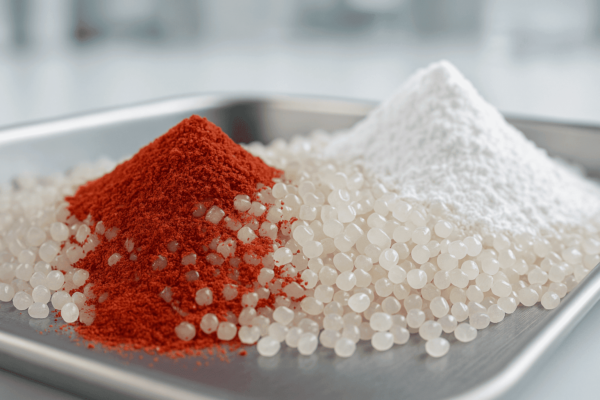
For decades, antimony trioxide (ATO) played a major role in flame retardant formulations, especially when paired with halogenated systems. It helped plastics meet fire safety standards and supported industries like electronics, automotive and construction. But as global regulations tightened and environmental awareness grew, the world began to ask a new question:Can we achieve high-level fire protection…

The Hidden Hero: How Impact Modifiers Reinforce Halogen-Free Plastics

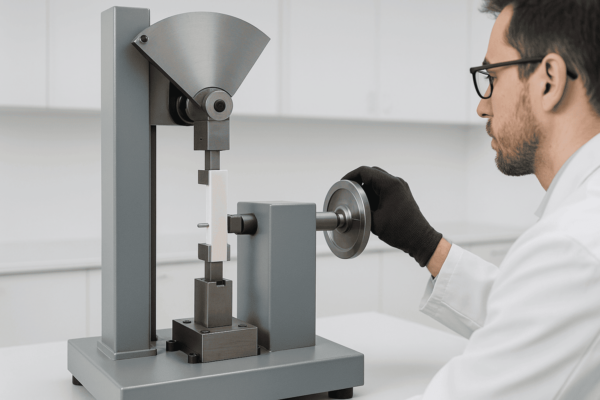
Halogen-free plastics are becoming the global standard for safer, greener manufacturing. From electrical housings to automotive interiors, industries everywhere are shifting to materials that reduce toxic emissions, meet stricter environmental regulations and support sustainable design. But as manufacturers moved away from halogenated systems, they encountered a new challenge – loss of impact strength. That’s where…

Inside the Polymer: How Smart Additives Transform Polypropylene

Inside the Polymer: How Smart Additives Transform Polypropylene

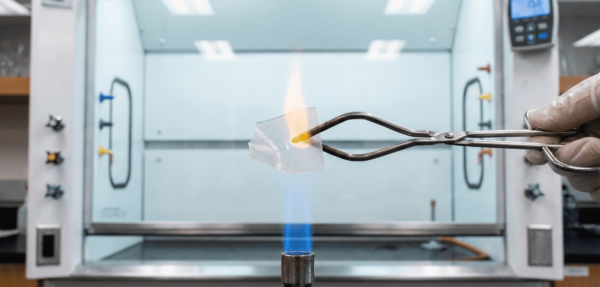
Polypropylene (PP) has become the backbone of modern industry – versatile, durable and cost-efficient. From automotive interiors to electronic housings and household goods, PP is everywhere. But there’s one issue engineers have wrestled with for decades – flammability. That’s where the new generation of smart, halogen-free flame-retardant (FR) additives comes in. These additives turn ordinary PP…

Building Tomorrow’s Industry: The Role of Trusted Chemical Partners

India’s industrial landscape is expanding at an unprecedented pace. There are next-gen automotive plants to advanced textiles and polymer manufacturing. But behind every innovation, there’s a quiet enabler: the chemical supplier. Reliable chemical partnerships aren’t just about sourcing materials; they’re about keeping the wheels of production turning safely, consistently, and sustainably. In a market where…